
Description
An ergonomic office seat is designed to provide comfort and support during long periods of sitting, reducing strain on the body and promoting good posture. Here are the key features:
- Adjustable Seat Height: Allows you to set the seat at a height where your feet rest flat on the floor, and your knees are at a 90-degree angle. This reduces pressure on the thighs and improves circulation.
- Seat Depth Adjustment: This feature allows the seat to move forward or backward to accommodate different leg lengths, ensuring that the user can sit back against the backrest while maintaining a small gap between the edge of the seat and the back of the knees.
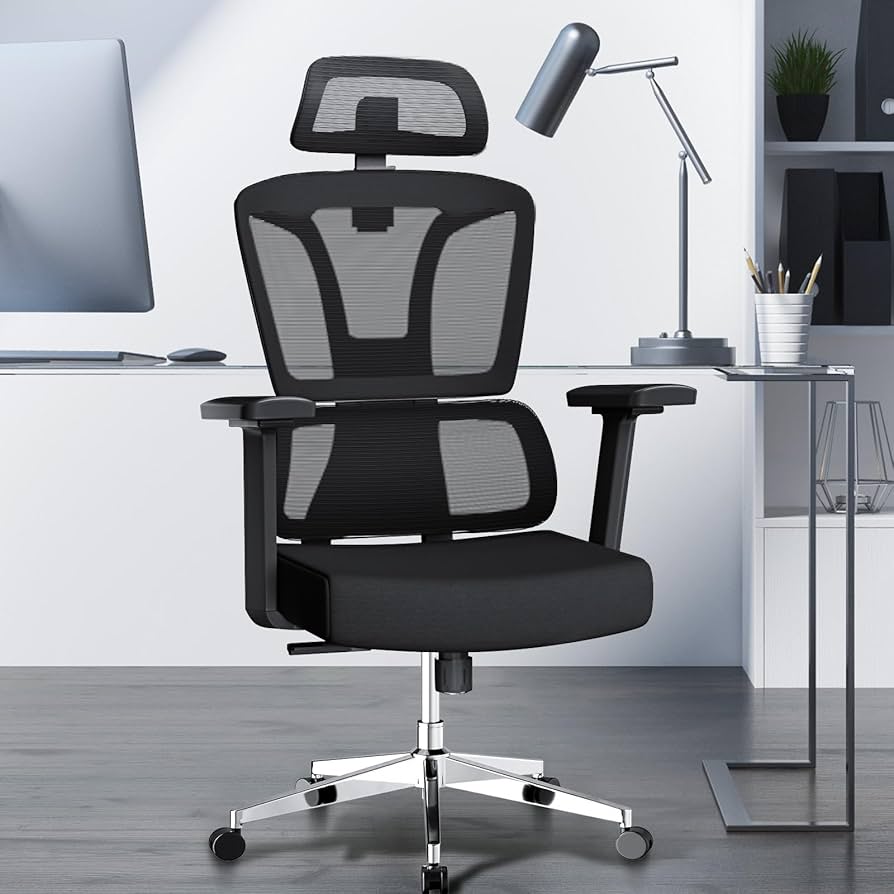
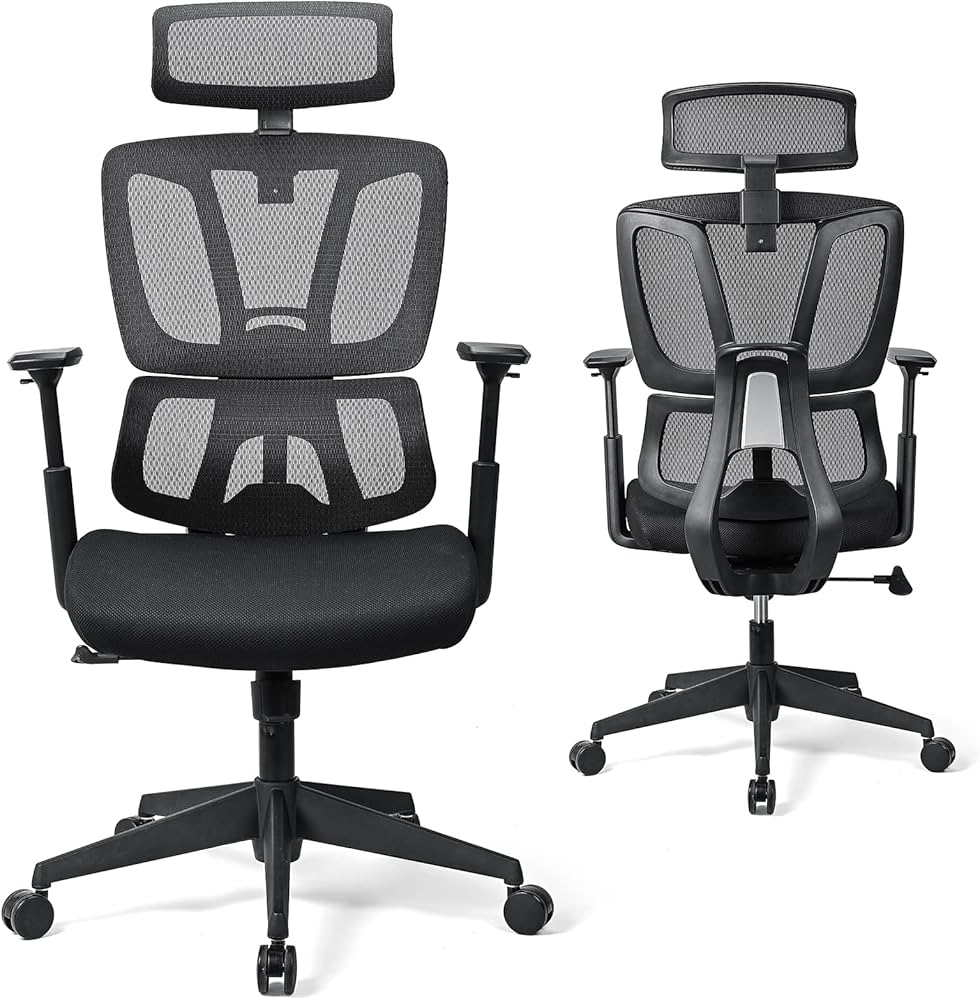
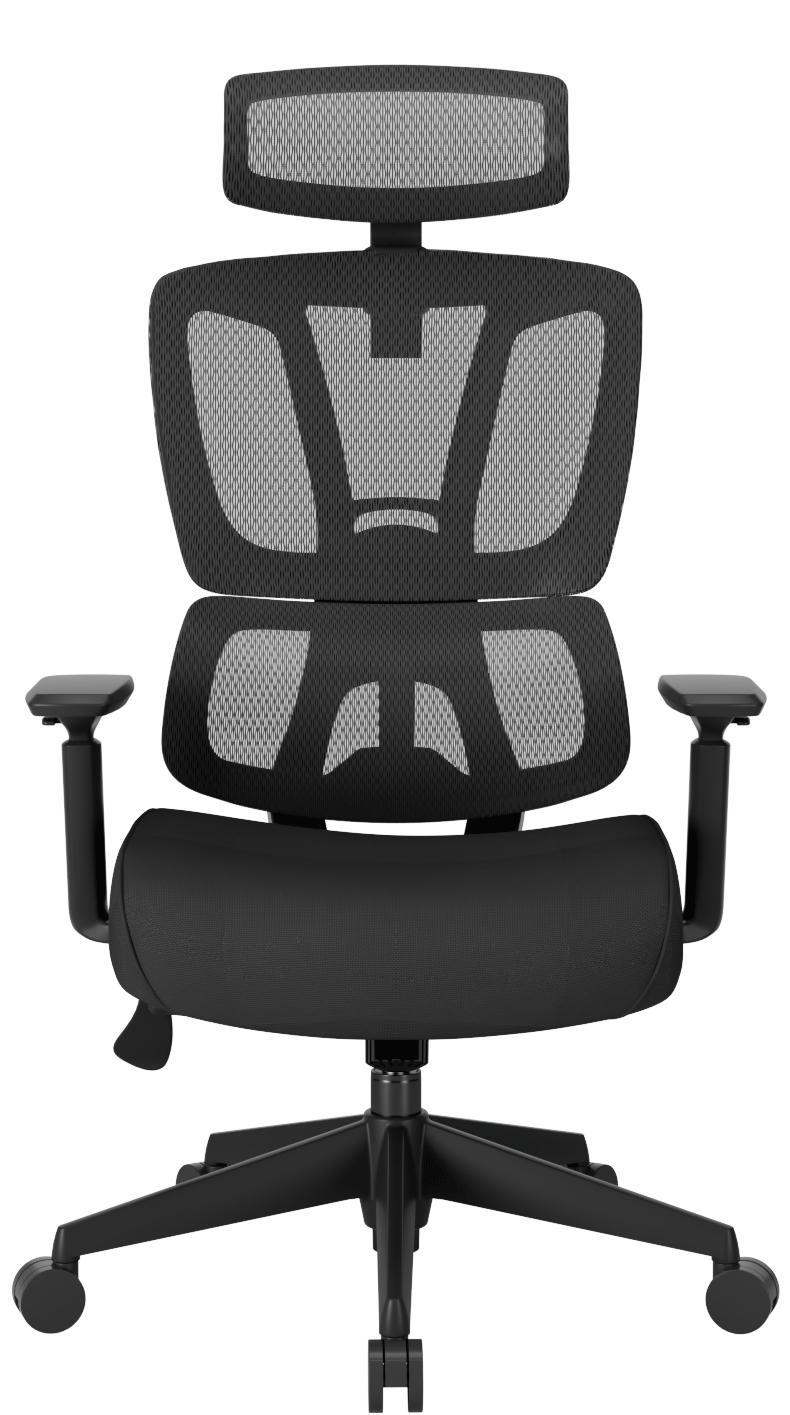
- Lumbar Support: A crucial feature that supports the lower back and maintains the natural curve of the spine. It can be adjustable in height and depth to fit different users.
- Backrest Recline and Tilt: The backrest should be adjustable in both angle and tilt tension, allowing you to lean back comfortably while still being supported. Some chairs offer a synchro-tilt mechanism where the seat and backrest tilt together.
- Armrests: Adjustable in height, width, and angle, the armrests should support the arms at a comfortable height, reducing strain on the shoulders and neck. Some ergonomic chairs offer 4D armrests that can move in multiple directions (up/down, in/out, forward/backward, and pivot).
- Headrest: An optional feature that supports the neck and head, especially when reclining. The headrest should be adjustable in height and angle.
- Seat Cushioning: The seat should be made of high-density foam or mesh to provide comfort without sinking in too much. The material should be breathable to prevent heat buildup.
- Swivel and Wheels: A good ergonomic chair should swivel easily to allow for free movement, and it should have smooth-rolling wheels that work on different floor types.
- Material: The chair is often covered in durable, breathable fabric or mesh. Mesh backrests are popular for their breathability, while leather or synthetic leather options offer a more executive look.
- Stability: The chair should have a stable base with five legs (casters) to prevent tipping and ensure smooth movement.
These features work together to provide a comfortable and healthy sitting experience, helping to prevent common issues like back pain, neck pain, and fatigue.


Reviews
There are no reviews yet.